
Storyboard Studio Work
CUMI draws the storyboards, animatics and concept art that get an idea ready to be shown and signed off. We have worked this way for Microsoft Bing, Merck, Uppercut Films and Scream Films, finding the story and the look long before anything is animated in full.
Start a ProjectFrom the sketchbook
Storyboards, design frames and concept art from our archive, drawn for advertisers, broadcasters and our own stories.
-
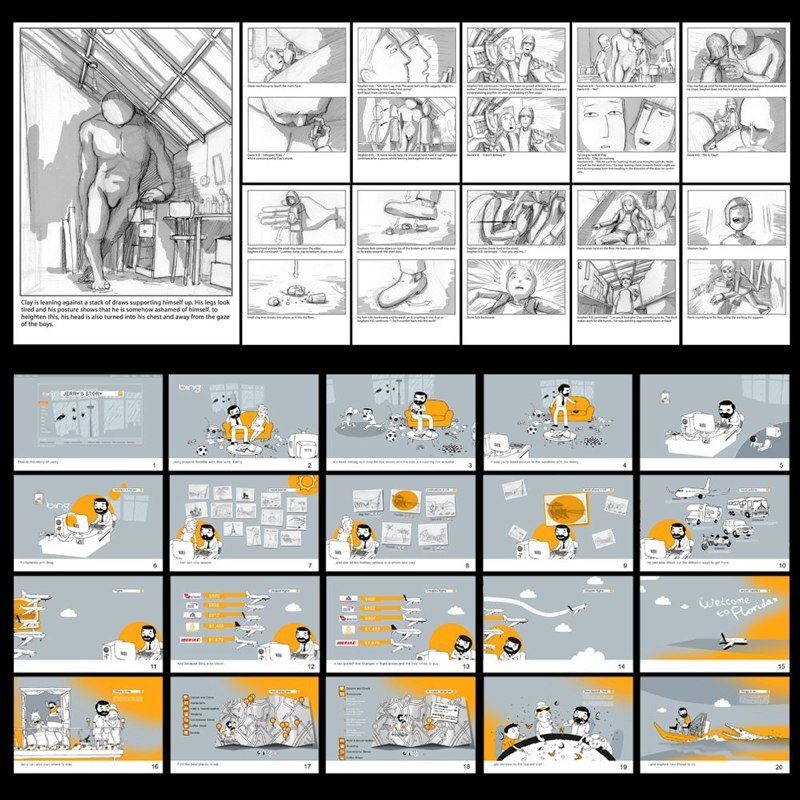
Pencil storyboards for a short drama, and the 20 panel storyboard for Bing, Jerry's Story. -
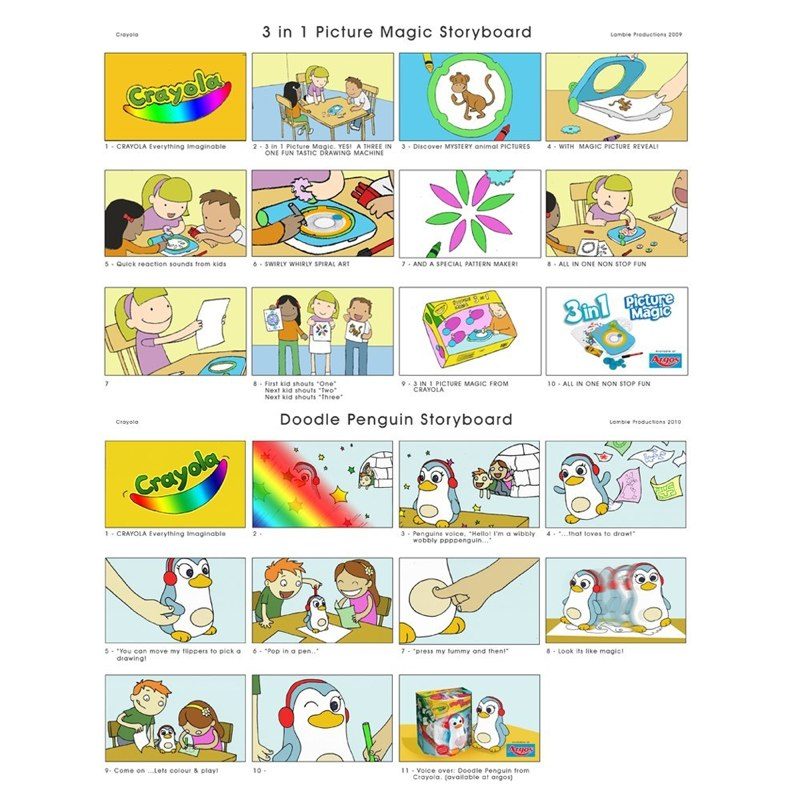
Advert storyboards for two Crayola toys, drawn for Lambie Productions. -
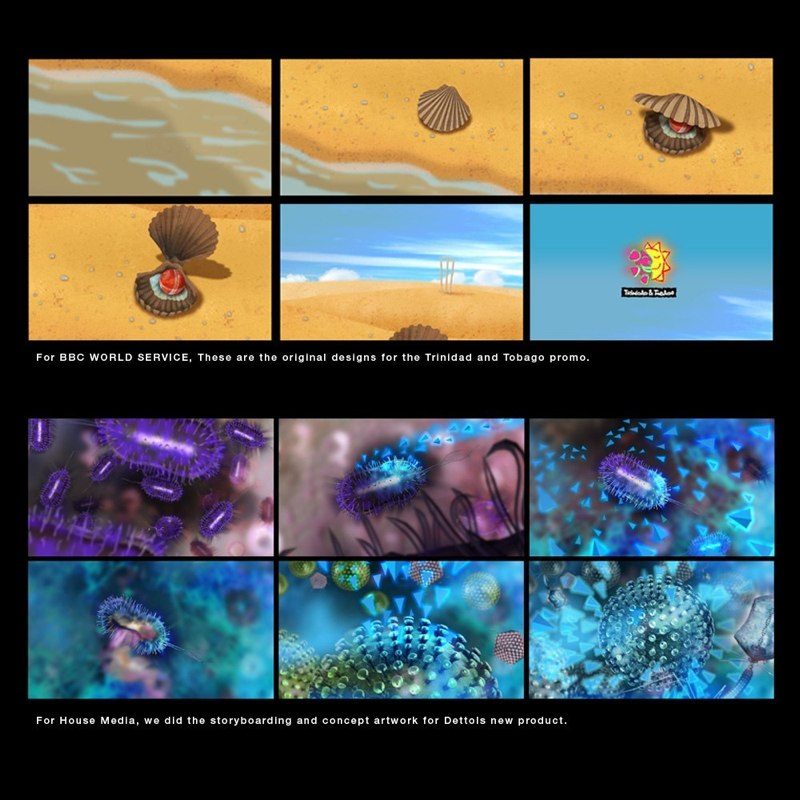
Design frames for a BBC World Service promo, and storyboard concept artwork for Dettol, made for House Media. -
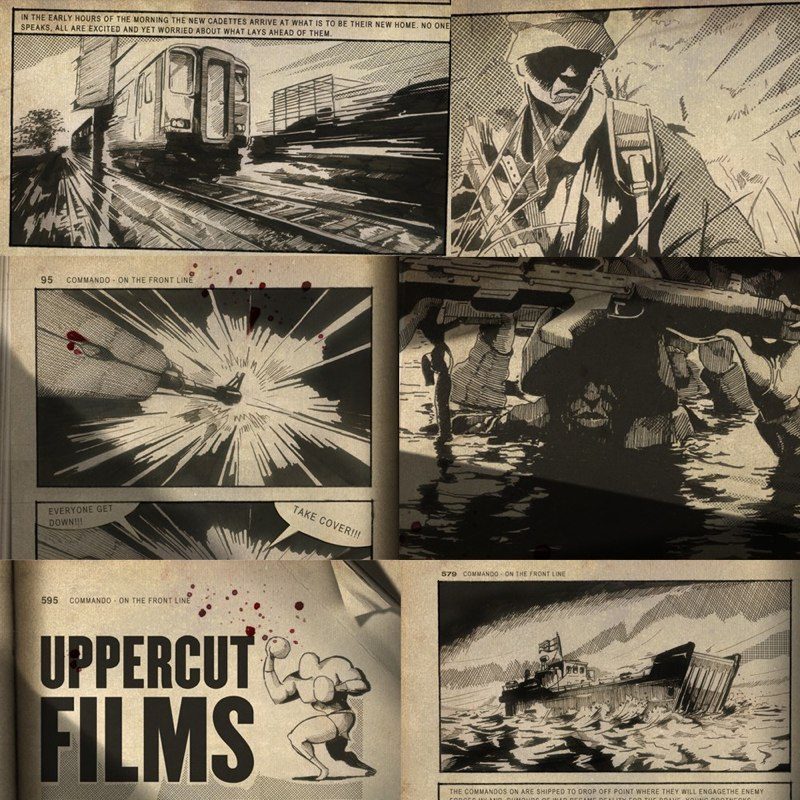
Comic book storyboard panels for Commando On The Front Line, for Uppercut Films. -
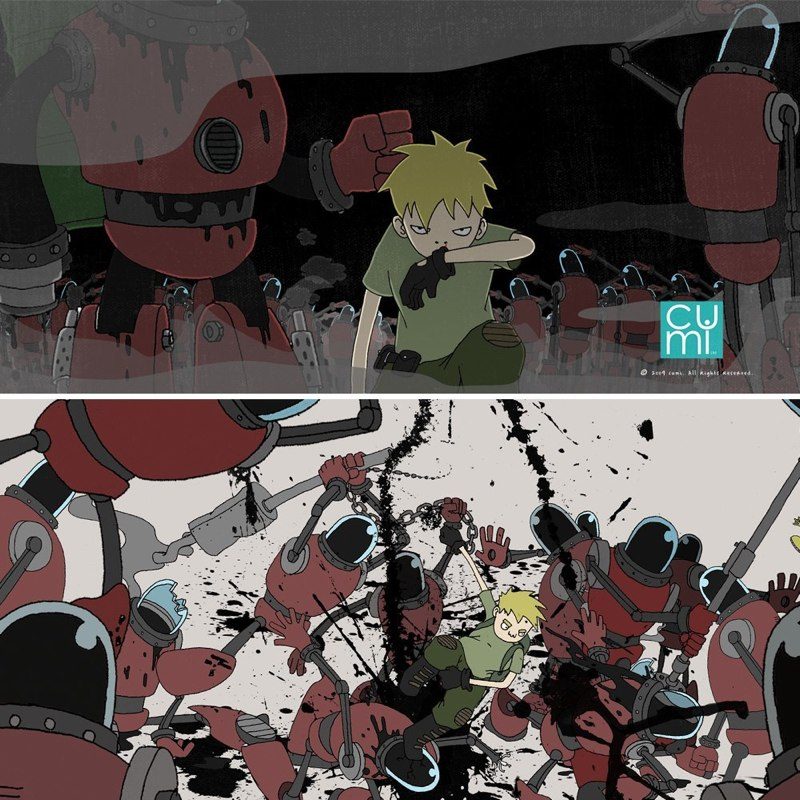
Concept frames for one of our own stories. -
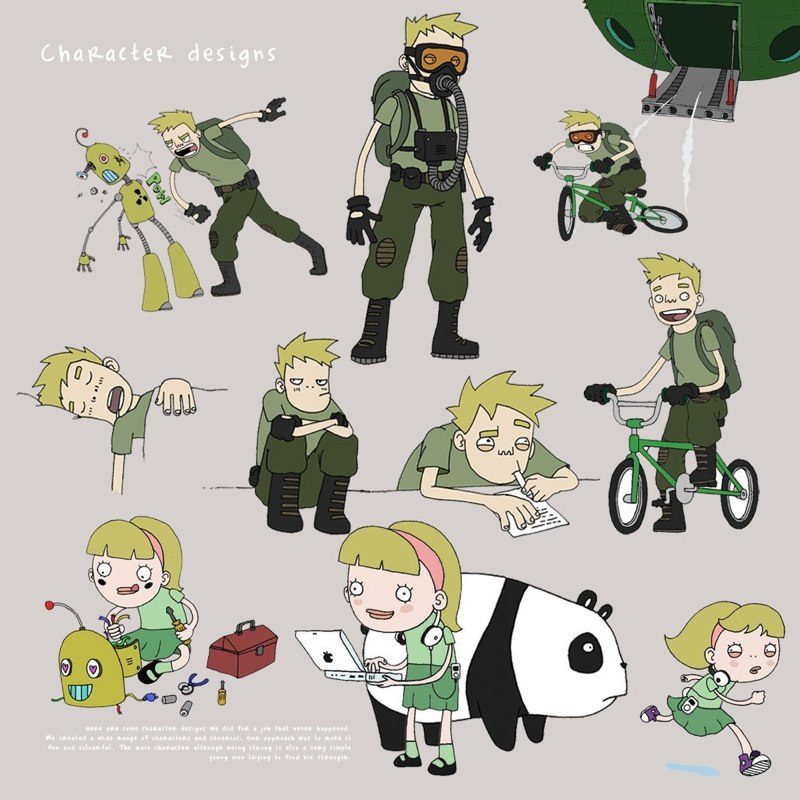
Character designs for a series that never went ahead. -
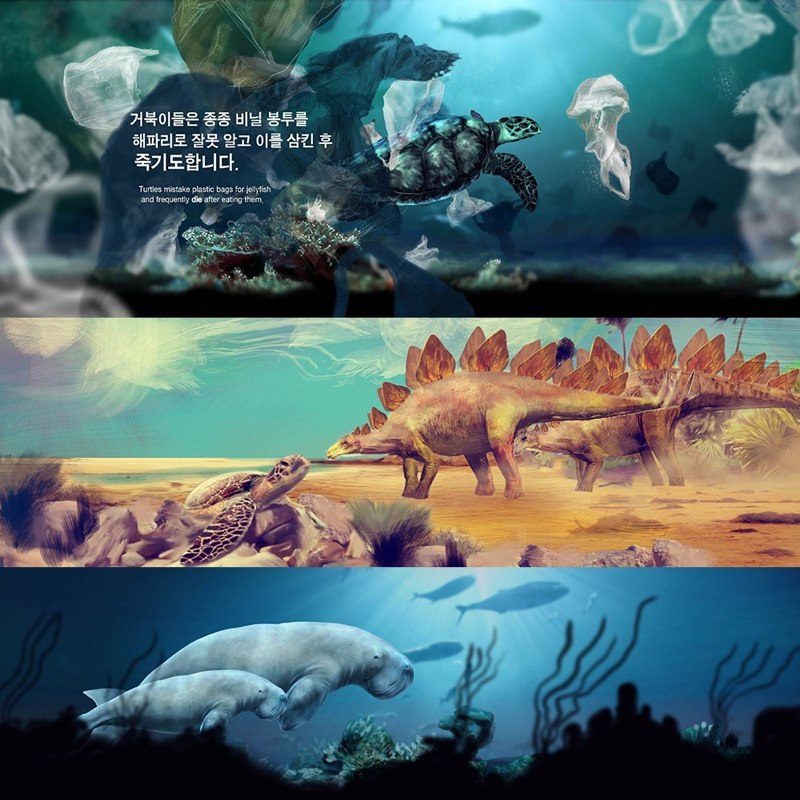
Painted scenes for an ocean conservation story. -
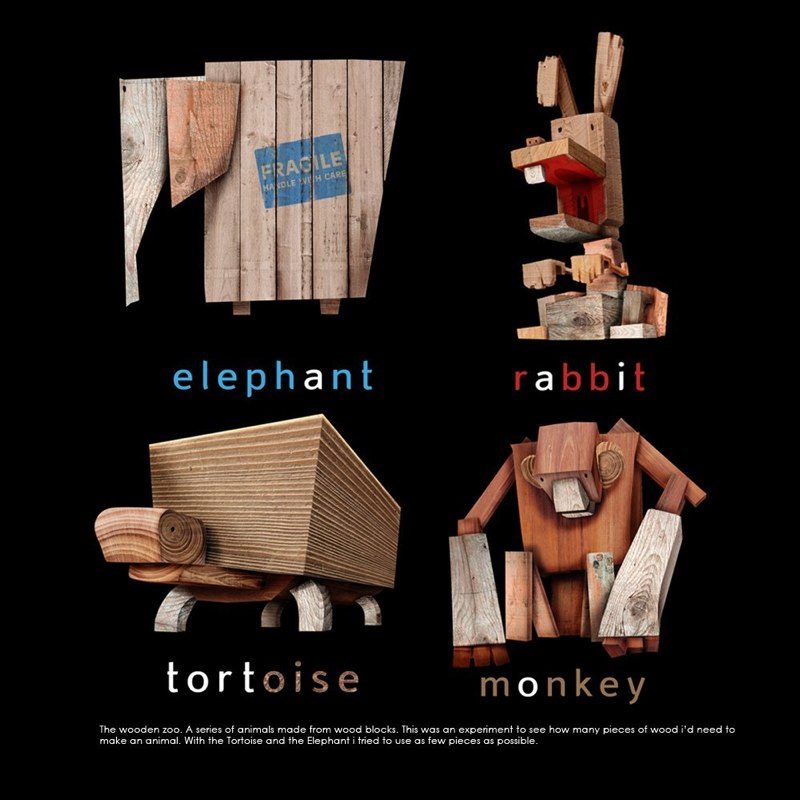
Concept designs for Wooden Zoo, animals built from reclaimed wood.


Selected storyboard work
Projects where the storyboard or concept art was a big part of what we delivered, from a 20 panel storyboard for Microsoft Bing to a comic book title sequence for a Royal Marines documentary.


Get the story right first
A storyboard is the cheapest place to change your mind. Every shot, cut and camera move can be tried, questioned and redrawn on paper before a single frame is animated. Concept art does the same job for the look of a film, settling the characters, colours and worlds so that everyone signs off the same picture. It is how we start our own animated films, and it works just as well on its own for directors, agencies and brands who need the drawing done well and done quickly.
Storyboard, animatic or concept art
A storyboard sets out the film shot by shot, with the action, dialogue and camera for each moment. An animatic puts those frames on a timeline with a voice or music track, so you can feel the pace before production begins. Concept art explores the look, from a single character to a whole world, and helps everyone agree what the finished film will look like. Many projects need all three and some need only one. We will tell you which will help most.
What we create
- Storyboards for animation, advertising and television
- Animatics that test timing and sound before production
- Concept art for characters, worlds and key moments
- Design frames that fix the look of a film
- Pitch documents that help an idea get signed off
Rough and fast when the idea is still moving, clean and polished when it needs to be shown to a client or a commissioner.
How we work
-
Read the script.
We talk through the script or idea, the audience, the running time and where the finished piece will be seen.
-
Rough it out.
Quick thumbnails and rough frames test the order of shots and the look, so the big decisions are made early.
-
Draw it properly.
The agreed direction becomes clean storyboard panels or finished concept art, with rounds of review built in.
-
Time it and hand over.
Where useful we cut the frames into an animatic with sound, then deliver the files ready for your team or ours to take forward.
Drawn with animation in mind
We storyboard as a studio that animates. That means shots that can actually be made, camera moves that make sense and characters that stay on model from panel to panel. If another team is animating the finished film, the boards still arrive ready for them to use.
Have a script that needs drawing
Send us the script, the idea or the pitch you are working on, and tell us when it needs to be seen. We will suggest the quickest way to get it onto paper.
Start a Project